Origin:Found in a cottage garden in Truro, Cornwall in about 1800 and in 1813. Discovered by Sir Christopher Hawkins, who was awarded a silver medal “for his exertions”. The word ‘gilliflower’ is possibly a corruption of French word girofle meaning clove, believed to be a reference to its odour when cut
Tree: Partial tip bearer
Vigour: V3
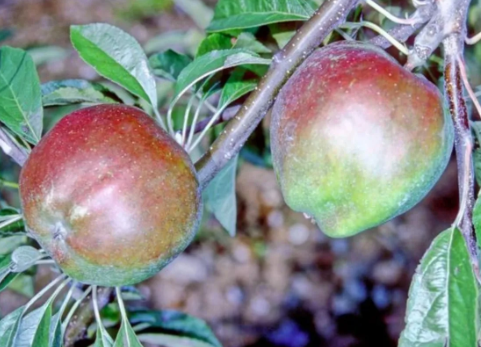
Fruit Shape: Fruit is medium to large in size, roundish-conical in shape and tapering to a five-pointed base.
Skin and Flesh:Dull green skin with reddish brown coloration and thin russet covering. but extremely rich and flavourful, often with an intriguing clove-like aroma. Sometimes the fruit will develop a clear dark red color when fully exposed to the sun
Harvest: Late
Storage: 3 months or more
Uses: Eating. cooking, cider
Additional information
Product Type
Scion, Tree
Origin
England
Product Year
1813
Harvest
L
Uses
Cider, Cooking, Eating
Flowering Group
3
Tip or Spur
Partial tip
Description
aromatic flavour. Uses: Eating Background: Originally found growing in Cornwall, Cornish Aromatic Apple Harvest: Mid to late. Description: Distinctive five crowned fruit. Skin – red mottle on green-yellow background. Flesh – white. Vigour: V3 Flowering group: 4 Taste: Firm, rather dry flesh with a rich, UK. It was brought to notice in 1813 but thought to be many centuries old. Disease resistant.